
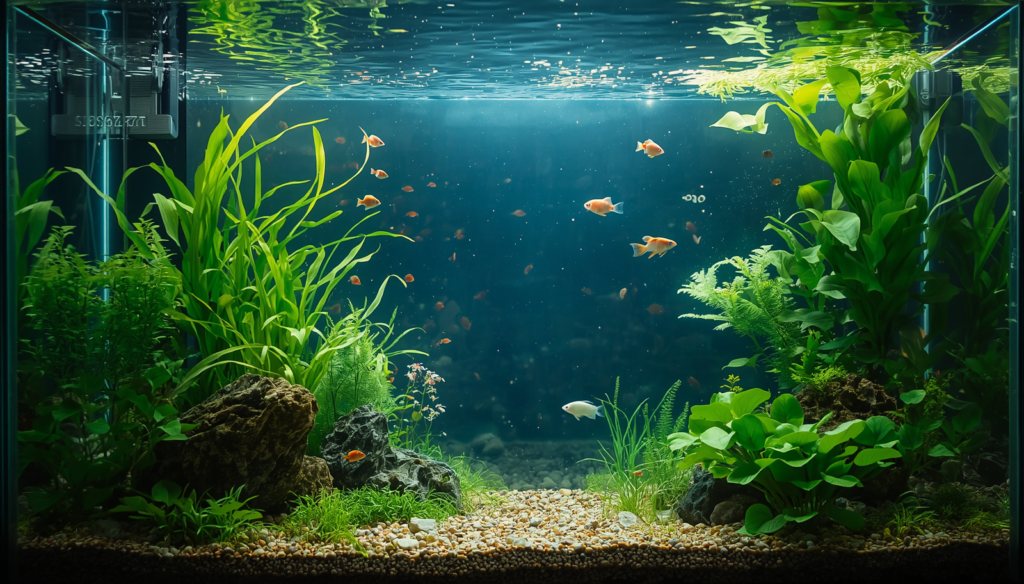
Whether you’ve built a new fish tank, it is a great idea—but adding fish too quickly is dangerous. Without cycling, a tank can create a toxic environment that can harm or even kill your fish. Beginners are more likely to make mistakes due to excitement. Cycling creates a healthy ecosystem in the tank, which is best for the fish.
This beginner’s fish tank cycling guide explains how to cycle your new tank step by step.
This guide will explain:
- What is aquarium cycling?
- Benefits of cycling
- Step-by-step guide
- Problems and their solution
- How you can speed up the process?
What is cycling?
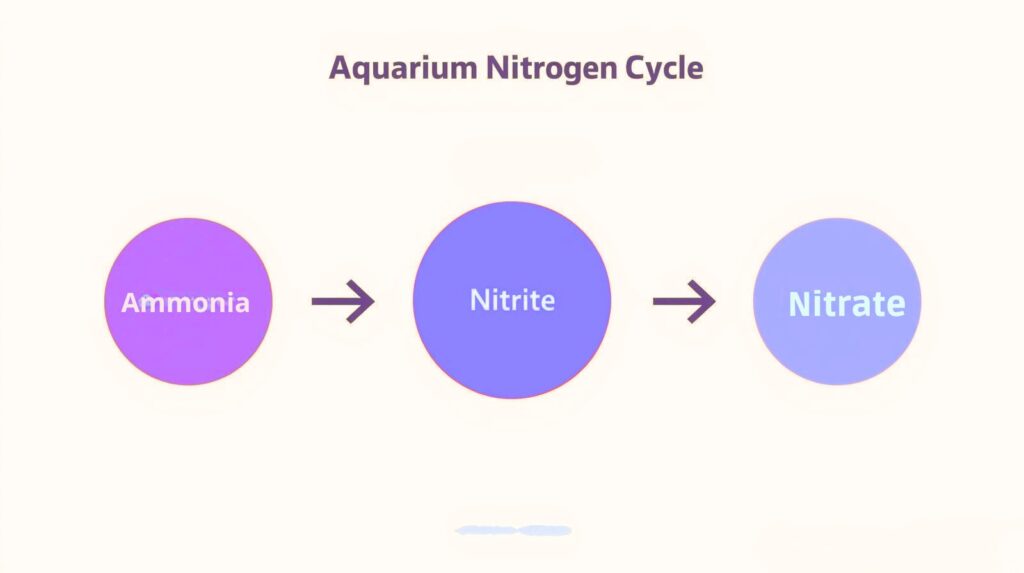
Cycling (also called the aquarium nitrogen cycle) is a unique ecosystem process in which beneficial bacteria grow in your tank, breaking down dirty waste and converting it into safer substances. This creates a healthy ecosystem in the tank, which benefits the fish.
Its function is simple:
- Fish food or waste produces ammonia (toxic).
- Bacteria in a cycling ecosystem convert this ammonia into nitrite (toxic). Then, other bacteria convert this nitrite into nitrate (less harmful), which should be kept under control.
Effect of ammonia on fish?
- It makes it very difficult for fish to absorb oxygen
- It damages fish gills
- It causes fish to develop diseases
Parameters to keep fish safe
These are some parameters you can follow to create a healthy environment in your tank:
Ammonia: 0 ppm
Nitrite: 0 ppm
Nitrate: below 20–40 ppm (controlled by water changes)
How long does it take to cycle a fish tank?
This aquarium cycling process can take 4 to 8 weeks, depending on your temperature and filter quality.
As a beginner, you should use the fishless cycling method because it is safe and easy for newcomers to handle. This step-by-step guide will walk you through cycling using the fishless method.
Step-by-step guide:
Step 1: Properly set up the tank
How to set up a fish tank in cycling:
- Heater or filter installing
- Decorations add more
- Sand or gravel add more
- Living plants have been planted
- Fill it with water
- Run this equipment 24/7
If there is any leakage or the equipment is not working, check it within 24 hours.
Step 2: Pure ammonia adding:
If you add pure ammonia or fish food, then there will be growth of bacteria.
Check bacterial growth:
Nitromonas, which converts ammonia into nitrates
Nitrobacter, which converts nitrate into less harmful nitrites.
Cycling timeline:
1-7 days:
ammonia rise
no bacterial growth
8-14 days:
bacteria grow
Bacteria change ammonia to nitrate
So nitrate appears, and ammonia drops slowly
15-30 days:
nitrate form, which further changes into nitrites, which are less harmful
31-45 days:
No ammonia and nitrate present, only nitrite remains, which is not harmful
Step 3: Regular water testing
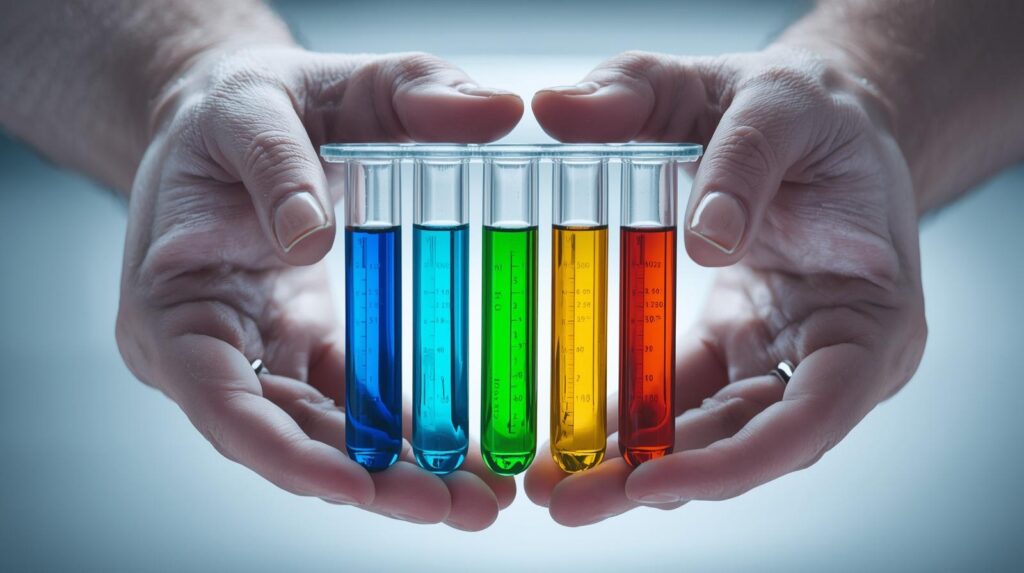
Every 2–3 days, test the water.
Check ammonia, nitrite, and nitrate using an aquarium test kit.
Step 4: Change partial water
Do 25%–50% water change before adding fish.
This is because the nitrate level needs to be reduced.
Step 5: Add fish:
- Do not overfill the tank
- Add some fish
- Monitor fish behavior and feeding for the first 24 hours
- Add fewer fish to maintain good bacterial balance
- Fast cycling method (but safe)
- Get and add beneficial bacteria
- Use established tank filter media
- Stabilize temperature at 24–27°C
- Maintain high oxygen flow
Common problems:
High ammonia
Reason: No bacterial growth
Fix: Add ammonia source or bacterial starter
High nitrite
Reason: Second bacteria not developed
Fix: Wait and do small water changes
Cloudy water
Reason: Bacterial bloom
Fix: Do nothing
How do I know my tank is cycled?
The test kit readings remain stable for a few days:
- Ammonia: 0 ppm
- Nitrite: 0 ppm
- Nitrate: present
Common mistakes beginners do:
- Add fish quickly
- Not testing the water
- Turn of the Filter
- Overfeeding
- Skipping the cycling step
- Adding too many substrates
- Overdecorating is also harmful
Avoid these mistakes.
Essential tools:
- Aquarium test kit
- Filter system
- Heater
- Water conditioner
- Ammonia source
Conclusion:
Whether you’ve built a new fish tank, it is a great idea—but adding fish too quickly is dangerous. Without cycling, a tank can create a toxic environment so cycling is very important. By following my steps and expertise, you can create a healthy environment for your fish.
FAQs
What is the quickest way to cycle an aquarium?
By Adding pure ammonia in your fish tank because it decrease the cycling time. its also danger if you are doing cycling with fish. without fish it is best and safe .
How do I know my fish tank is fully cycled?
When you note this reading on kit it means your tank is fully cycled and ready to welcome new fish.
Ammonia: 0 ppm
Nitrite: 0 ppm
Nitrate: below 20–40 ppm (controlled by water changes)
Can I use tap water to cycle my tank?
Tap water is safe for tank if you treat it before adding without treatment it cause harmful bacteria.