
What is a Fish Tank Setup?
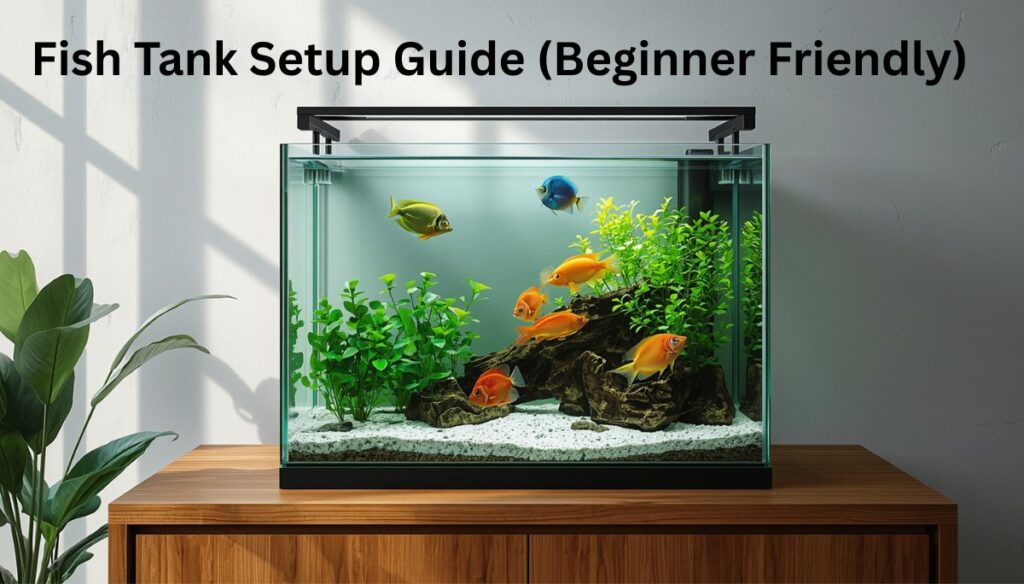
A proper fish tank setup means creating a safe, balanced, and healthy environment where fish can live comfortably. It’s not just about filling a tank with water—it involves choosing the right equipment, preparing the water, and allowing beneficial bacteria to grow before adding fish.
Why is a proper fish tank setup important?
- For the health of your fish
- For the long-term maintenance of a fish tank
- Water quality
Essential things for a new fish tank setup?
- Aquarium tank
- Filter
- Heater
- Lighting
- Substrate
- Decoration
- Fish food
Steps to follow for fish tank setup:
Step 1: Tank size:
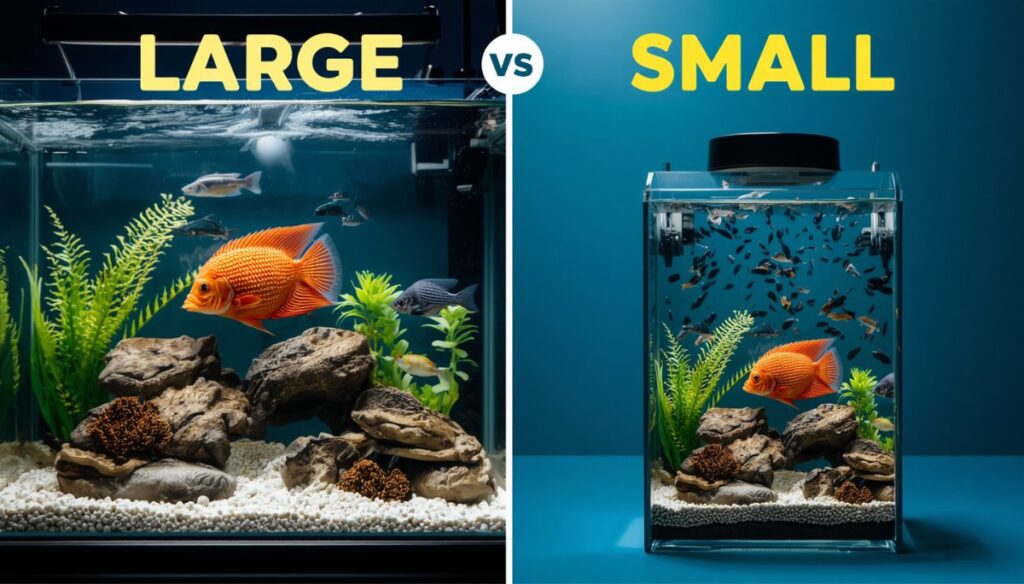
Beginners always choose a smaller tank, but larger tanks are more voluminous because they are easier to maintain, and the water level in them is better. Therefore, choose a larger tank.
Recommended: Best tank size is 10-20 gallons.
Step 2: Tank location:
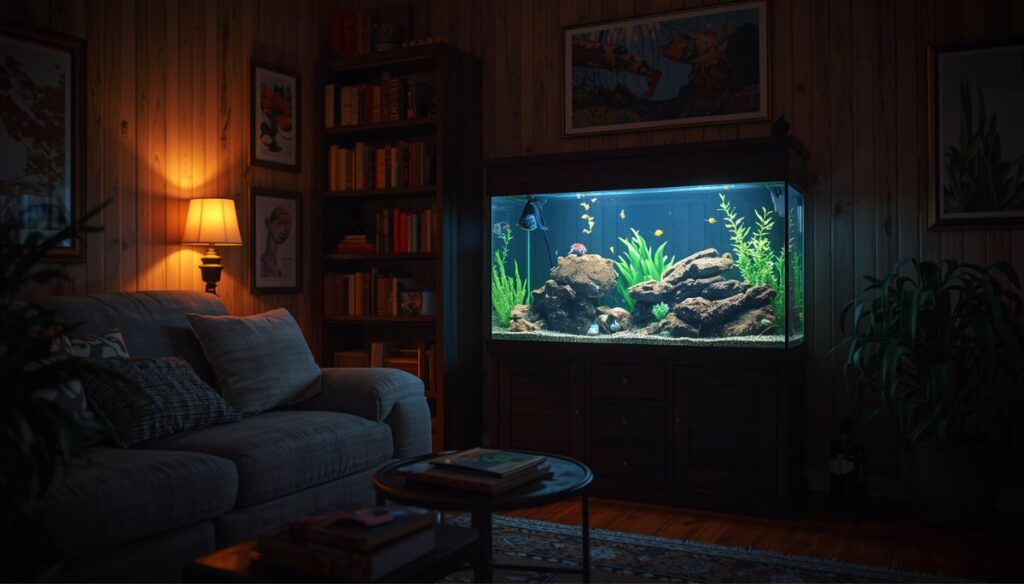
- away from windows to avoid direct sunlight
- stable and hard stand or surface
- away from noise
Step.3: Substrate:
- Place gravel or rattan in the tank, but first clean and treat it properly.
- Place the appropriate amount of soil on the tank’s stem.
Step.4: Decoration:
You can also add decorations (like plants/driftwood) to make the tank more beautiful.
Step.5: Install equipment:
After adding water, first install the necessary equipment, such as:
- Install a filter to clean water
- Install a heater (if needed)
- thermometer to check water quality
Make sure everything is placed correctly, but do not turn it on.
Step.6: Fill water:
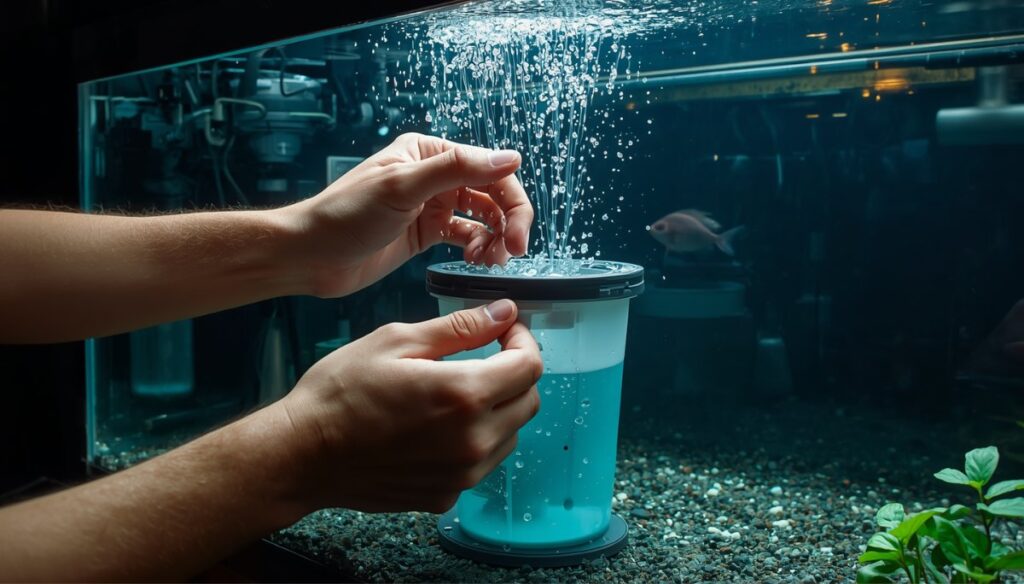
- By adding water, the overflowing water needs to be treated because, without treating the water, it can spoil the health of the fish.
- Add water slowly so as not to damage the decoration or substrate.
Step.7: Cycle The Tank:
Cycling creates good bacteria that destroy harmful waste.
- without the fish cycling method:
- ammonia source adding
- filter running for 2-4weeks
- test the water regularly
Add fish after zero level of ammonia or nitrogen.
Step.8: Add fish:
- Add fish after cycling the tank properly
- Start by adding some fish.
- avoid overcrowding
- By these, fish adjust properly
Common mistakes to avoid:
- Early fish adding
- Skipping cycling steps
- Overfeeding
- Overcrowding the tank
- Adding water without treatment
Tips: Avoid this mistake to save money, time, or the lives of fish.
Fish tank maintenance tips:
Some tank maintenance tips that beginners should know
- change 20%-30% water weekly
- Clean the filter properly
- Check the water temperature
- absorb fish health and behavior
Best Fish for Beginners:
- Guppy fish
- Betta fish
- Zebra danios
- Tetras
Note: Easy to care for, and they adapt to a new tank very well.
Conclusion:
A proper fish tank setup is the basis of a healthy aquarium. Follow these steps to create a beautiful and safe environment for your fish and take a special step by cycling your tank.
Take time and do proper research, or avoid common mistakes.
FAQs:
How do I set up a fish tank for beginners?
Start with 10-20 gallon fish tank, add sand and decorations, install heater, filters and add treated water. also Cycling the water before adding fish
What is the best fish tank setup for beginners?
Choose normal size 10-20 gallon tank, install best quality equipment, and add start Fish like guppy or tetars. Low maintenance tank setup is ideal for beginners.
How long does it take to set up a fish tank properly?
Basic setup takes a few hours, but cycling the tank takes 2–4 weeks, which is essential before adding fish.
Can I add fish immediately after setting up the tank?
No, Adding fish without Cycling tank harm the fish health.
How do you set up a fish tank for betta fish?
Small tank (minimum 5 gallons), gentle filter, and heater. Betta fish prefer warm, calm water with hiding spots.
How do you set up a fish tank for goldfish?
Need a larger tank (at least 20 gallons), Best quality filtration, and no heater in most cases. Avoid overcrowding