
- How do you take care of a fish for beginners?
- Are fish easy to care?
- Can betta fish live in tap water?
- Can I put 2 betta fish in 1 tank?
- What stresses out a fish?
- What kind of water do betta fish like?
- What are the signs of a betta?
Betta fish care guide:
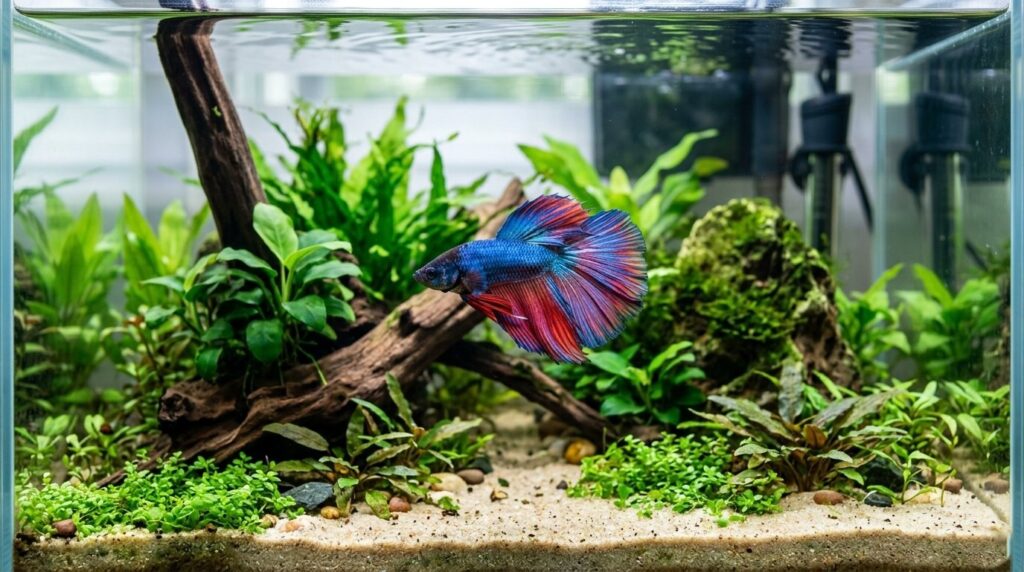
Beta fish (Beta splendens), also called fighting fish.
It is a famous, vibrant water fish. It belongs to South Asia. It is found in rice fields or slow-moving water.
It is known because of its fins. It has color, and hence it is popular.
Male beta has no duty to anyone, including any male in its area. If the male is not kept alone, then it fights for the area.
It is highly territorial. Does not tolerate anyone with it.
These air breathers help in the formation of a labyrinth organ that helps them to survive in water.
Aquarium Setup for Betta fish:
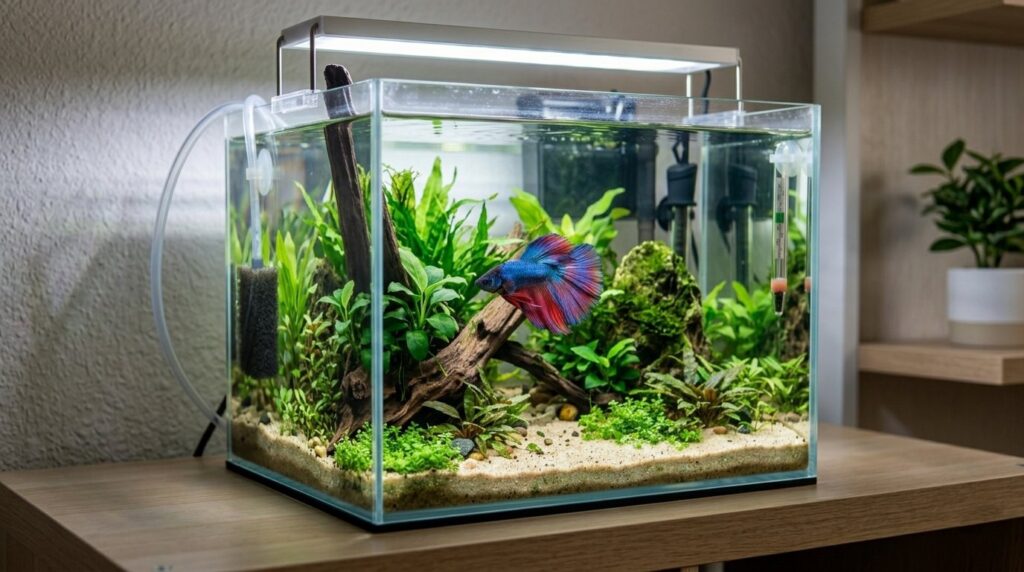
A tank size of 5 gallons is necessary for an environment; 10 gallons allows for keeping more fish or allows for swimming.
You should use a sponge filter or an adjustable low-flow filter in these ponds because they live in low-flow water and are not swimmers.
Betta fish require a temperature to avoid diseases like Ich.
Moderate lighting for 6 to 10 hours is sufficient to prevent algae growth.
Excessive algae can harm the fish.
Smooth gravel or sand makes a bottom and is also suitable for cleaning.
For decoration:
They like to hide in places like caves and driftwood.
They also like plants; live plants preferred, if not, use artificial plants with soft leaves.
Hard leaves can tear their fins.
They like to relax near the surface, so make a place near the surface.
Cycle the pond every 1-2 months so that beneficial bacteria are formed, and after that, add the fish to the pond.
This is easy to breed.
water quality and conditions :
- Betta fish like to live in water.
- They live in moving water.
- The ideal temperature for fish is between 24 and 27 °C.
- For Betta fish, a pH of 6.5 to 7.5 is considered ideal.
- The ideal condition is zero ammonia or nitrate or low nitrate for Betta fish.
- Water conditions are used to remove chlorine/chloramines.
- To maintain a temperature of 76 to 81°F, use a heater.
- Maintain a level of 6.5 to 7.5.
- Nitrate or ammonia at 0 ppm is highly toxic, or nitrate below 20 ppm.
- Soft or moderately hard water should not be too hard.
- Always use a water dechlorinator to remove chlorine and chloride.
- A pond with a capacity of at least 5 gallons is recommended for stability.
- For filtration, use a water filter. Keep the filter flow low because high flow stresses betta fish.
- Sponge filters or baffled filters are ideal for fish.
- Do a 25-50% water change to remove water waste, but remember to keep the new water at the same temperature.
- First, create a cycle that produces bacteria, after which add the water to the fish.
Tank Maintenance Routine :
- Change the water by 25-50% in a week, depending on the condition.
- Clean the food and remove it from the pond.
- Keep checking and maintain nitrate, nitrite, and ammonia levels.
- Do not over-clean as it may reduce the bacteria.
- This method can cause harm.
- Use a siphon with a 25% water change to remove debris, as required.
- Use a glass-cleaning cream or API Betta Water Conditioner for tap water treatment.
- Clean old water with a filter once a month to support beneficial bacteria.
How to feed Betta fish as a Beginner:
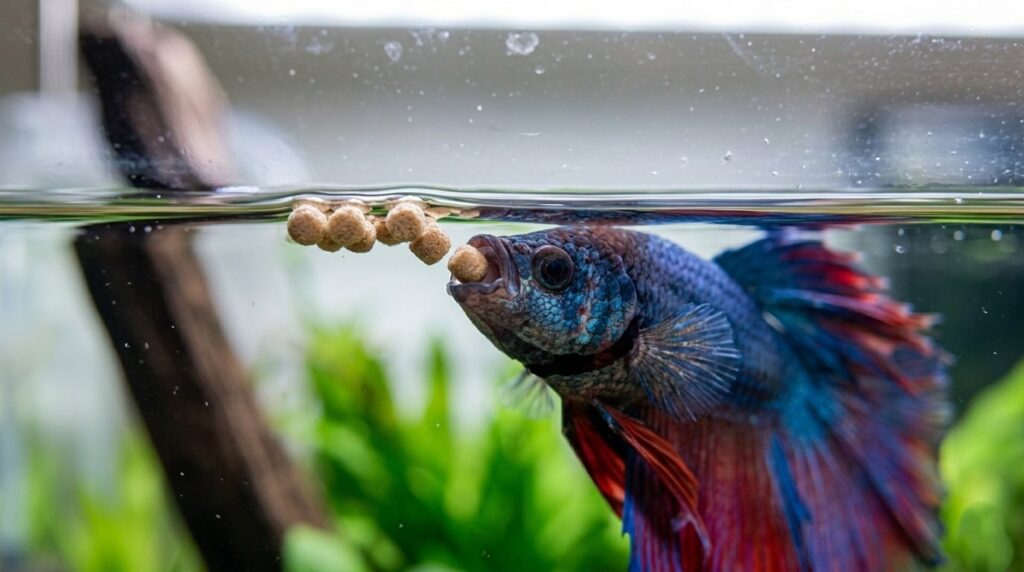
- Feed betta fish 2 to 4 protein tablets twice a day as they are small-bodied carnivores.
- Feed them a diet, such as freeze-dried bloodworms, brine shrimp, or a variety of daphnia.
- Do not overfeed the fish or the water, as it is dirty or childish.
behavior and compatibility :
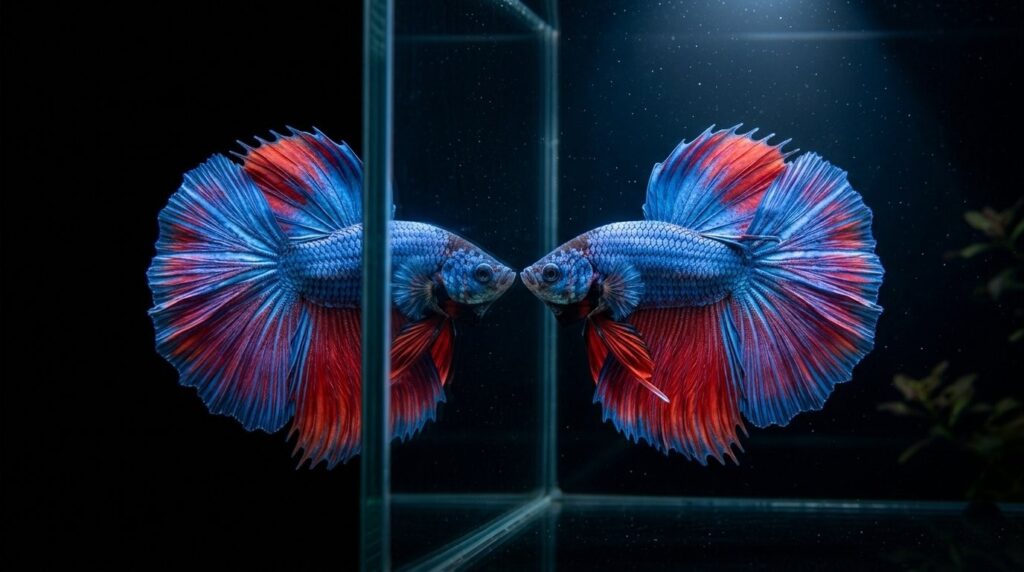
Betta fish are considered territorial or aggressive towards males.
They are best kept alone or with tank companions like snails and shrimps, but avoid fin-nipping fish.
Males do not cohabitate. Females can live in groups if there is more space or more hiding space.
health or common disease of Betta fish :
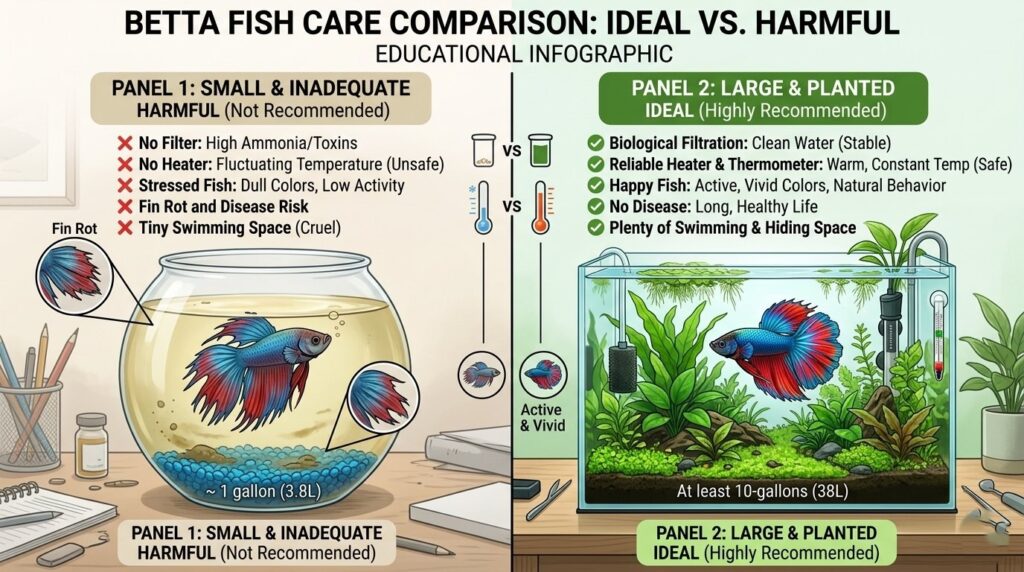
Signs of a Betta fish are that it is brightly colored and actively swimming.
If it is too large, there could be an issue.
Common issues are fin rot or ich ( spots).
To prevent diseases, keep the water clean. Keep it checked.
Enrichment and Comfort :
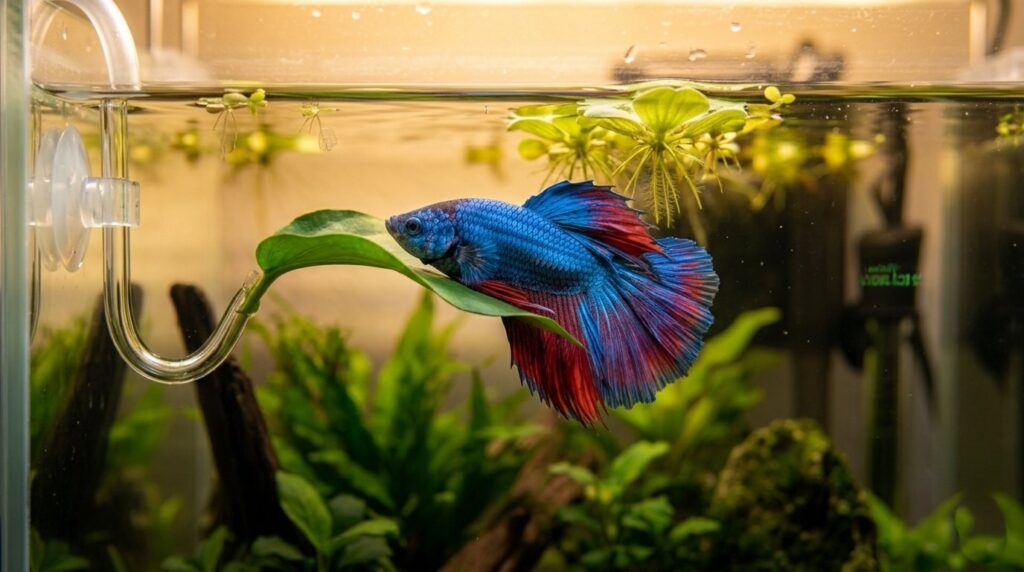
Add plants in the pond like ( Anubias , Java Fern), floating logs, and leaf hammocks for comfort.
Mental stimulation boosts with food (daphnia, brine shrimp), a mirror session for 5 min, and floating ping pong balls.
Give them comfort with clean, low-flow water and use a secure lid to prevent jumping.
Keep lighting; do not use too-bright lights.
What to do and what not to do :
Do this in a pond:
- Cycle the pond. Then add the fish.
- Maintain the temperature in the pond.
- Feed the fish appropriately.
Don’t do this in a pond:
- Don’t keep fish in bowls or ponds.
- Don’t feed the fish more than necessary.
- Don’t keep two bettas in one bowl or pond.
Pro Tips for fish keeping :
- Add almond for natural benefits.
- Use Stress Coat during water changes.
- Observe the fish daily for changes.
- Use a sponge filter for a betta. Use the heater in the tank. Use a lid because the betta jumps. Use silk or live plants to protect the fins. Feed them high-quality carnivore pellets. Keep them in a clean, filtered, and cycled pond to avoid stress or disease. Use a heater or thermometer in the inner pond to maintain the temperature for tropical fish.
- The special things that make a Betta different from others :
- These are traits found only in bettas, and they make bettas look different from others. And they also make them more attractive.
- Betta is breathing air :
Bettas have a special organ called the labyrinth, which most fish lack. This organ helps them oxygenate the air. It also allows them to survive in low-oxygen water where other fish struggle. This also makes them easier to keep. - They build bubble nests :
Male bettas create bubble nets on the surface of the water. They attract females with this and protect their eggs. Females lay eggs in these nets, while males are fertile. These nets are attached to the water like a nursery. - Extremely territorial behavior :
Male bettas cannot tolerate a single friend. Male bettas consider a single friend as an enemy in their own territory. This is why keeping two males together leads to a serious fight. This is why it is also called a fighting fish. - flowing fins and bright colors :
Bettas are known for their varied or bright colors, such as red, blue, and purple, or even for their dramatic fins. Some selective breeds have tails of different colors or shapes. These are very active and attractive fish. - Bettas recognize their owners :
Betta herons are intelligent, recognizing their owners and greeting them when seen. They wait for the food they eat to reach the end of the meal. - Surviving in a small space :
Bettas can survive in small cages because they can breathe in the air. However, it is best to keep them in an open space with proper care, as this will promote their growth. - rest near surface :
Bettas often live near the surface of the water or near plants and decorations so they can breathe air through the water. - Unique way of matting :
During breeding, the male wraps itself around the female to fertilize the eggs and then collects the eggs and stores them in bubble nets.
Conclusion :
Keeping betta fish is easy but requires care. Betta is often treated unfairly because they can be kept in small bottle cups or water tanks, but for their happy and long life, provide them with a good open pond with a lid so that they can jump and swim. Betta’s fins are dry, so do not keep them in fast-flowing water as they dislike it. Keep them in slow-moving water so that they remain stress-free and healthy. Provide them with a warm, flowering, slow-moving-water, open, and encouraging environment. They are delicate fish, so keep them in dechlorinated water weekly and maintain good water.
Keeping fish healthy requires water and a proper diet. Small efforts lead to a prosperous life. Keeping the pond clean reduces stress. Creates the reason for a long life.
A prosperous life relieves stress.